
Traveling With The Wild In Mind
Travel has a way of making the world feel larger and more intimate at the same time. A quiet forest path, a reef moving with color, the distant shape of an elephant at sunrise, or the sudden flash of a bird you have never seen before can stay in memory for years. These moments feel special because they are real. They are not staged for us, and they should not have to bend around our presence.
That is the heart of wildlife-friendly travel. It is not about avoiding nature or keeping travelers away from wild places. It is about entering those places with care. It means understanding that animals have their own rhythms, needs, territories, and fears. A good wildlife experience does not demand a perfect photo or a guaranteed encounter. It allows the natural world to remain natural.
As more people seek meaningful travel, the way we interact with wildlife matters more than ever. Tourism can support conservation when it is thoughtful, but it can also cause harm when it becomes careless, noisy, or too focused on entertainment. The difference often comes down to small choices made before, during, and after a trip.
What Wildlife-Friendly Travel Really Means
Wildlife-friendly travel begins with respect. It asks travelers to see animals as living beings rather than attractions. That sounds simple, but in practice it changes everything. It affects where we stay, which tours we choose, how close we get, what we eat, what we buy, and even how we behave on a trail or beach.
Responsible wildlife travel avoids activities that force animals into unnatural behavior. It does not involve touching, feeding, riding, chasing, or posing with wild animals. It also avoids places where animals are kept mainly for tourist photos or performances. Even when an experience looks harmless, it is worth asking what happens behind the scenes. If an animal must be restrained, trained through fear, separated from its natural group, or handled constantly by strangers, something is wrong.
The better version of wildlife tourism is quieter. It gives animals distance. It uses trained guides who understand behavior and habitat. It supports protected areas, local communities, and conservation work. Most importantly, it accepts that nature does not run on a visitor’s schedule.
The Problem With Getting Too Close
There is a strong temptation in travel to get closer. Closer to the lion, closer to the turtle, closer to the whale, closer to the nest. Cameras make this feeling stronger because a distant animal may not look impressive on a screen. But closeness can be stressful for wildlife, even when the animal does not run away.
Many animals hide signs of stress. A bird may abandon a nest after repeated disturbance. A turtle may change its nesting route if people crowd the beach. Marine animals may waste energy avoiding boats. Large mammals may seem calm while quietly adjusting their movement patterns to avoid human pressure.
Wildlife-friendly travel asks for patience instead. A respectful distance often leads to a better experience anyway. You notice more. The animal behaves naturally. The guide speaks softly. The moment feels less like a chase and more like a privilege. There is a different kind of beauty in watching from afar and knowing you did not interrupt anything.
Choosing Ethical Wildlife Experiences
Not every wildlife tour is equal. Some are built around conservation and education, while others use conservation language without much substance behind it. Travelers need to look beyond dramatic photos and attractive descriptions.
A responsible wildlife experience usually has clear rules. Guests are told not to feed or touch animals. Group sizes are managed. Viewing times are limited when needed. Guides explain animal behavior and habitat, not just where to point a camera. The activity does not promise guaranteed close encounters because no ethical operator can control wild animals without crossing a line.
It also helps to notice the tone. If an experience is sold mainly as a chance to cuddle, ride, hold, or take selfies with wildlife, it is usually a warning sign. Genuine conservation feels different. It may be exciting, but it is not careless. It teaches visitors why boundaries matter.
Safaris, Forest Walks, And The Value Of Good Guides
A good guide can completely change the way a traveler sees wildlife. In many places, local guides carry years of knowledge passed through family, community, and daily experience with the land. They can read tracks, notice bird calls, understand seasonal movement, and sense when an animal needs space.
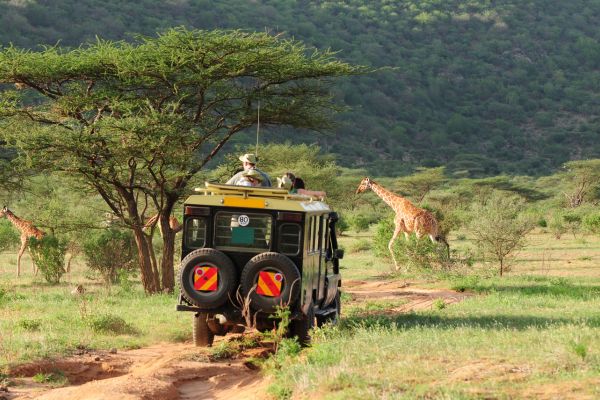
On safari, in rainforests, wetlands, mountains, or coastal reserves, responsible guides help travelers slow down. They explain why silence matters, why vehicles should stay on marked tracks, and why a missed sighting is not a failed day. Sometimes they show the smallest things: a beetle, a pawprint, a plant eaten by deer, a feather on the path. These details remind travelers that wildlife is not only about the large and famous animals.
The best guides also protect both visitors and animals. They know when to stop, when to move away, and when excitement is becoming pressure. That judgment is one of the most important parts of wildlife-friendly travel.
Marine Wildlife Needs Extra Care
Oceans often hide the damage caused by tourism because so much happens below the surface. A reef may look bright from a boat, but coral can be fragile. Dolphins may seem playful near vessels, but repeated boat traffic can disrupt feeding and resting. Whale watching can be beautiful, but only when boats keep proper distance and avoid surrounding the animals.
Snorkeling and diving bring travelers into close contact with marine life, so behavior matters. Touching coral, standing on reefs, chasing turtles, or stirring up sediment can cause real harm. Even small actions add up when many visitors repeat them daily.
Wildlife-friendly travel near the ocean means moving gently. It means letting marine animals pass without pursuit, using reef-safe habits, listening to local rules, and choosing operators who care more about long-term protection than short-term excitement. The ocean rewards patience. Sometimes floating still reveals more life than swimming after it.
Food, Souvenirs, And Hidden Wildlife Impacts
Wildlife protection is not only about what happens during a tour. Some of the most important choices happen in markets, restaurants, and shops. Travelers may unknowingly support harm by buying products made from shells, coral, ivory, exotic leather, feathers, or other wildlife materials. Even when items are small, they can be part of a larger trade that damages species and ecosystems.
Food choices can also matter. In some destinations, rare or protected animals may appear as novelty dishes. In coastal areas, unsustainable seafood can put pressure on already stressed marine life. It is not always easy to know every detail, but asking questions helps. So does choosing simple local food that is not tied to threatened wildlife.
A souvenir should not cost an animal its life or habitat. The best things to bring home are often made by local artisans using sustainable materials, or simply memories, photographs taken respectfully, and a better understanding of the place.
Respecting Habitat As Much As Animals
Animals do not exist separately from the places they live. A forest, riverbank, grassland, nesting beach, or mangrove is not just scenery. It is shelter, food, breeding ground, and migration route. Protecting wildlife means protecting habitat too.
This is why staying on marked trails matters. So does packing out waste, avoiding loud noise, reducing plastic use, and not removing plants, stones, shells, or natural objects from protected areas. These actions may seem small, but they help keep places intact.
Habitat respect also means understanding local pressures. In some regions, wildlife areas are shared with farmers, fishers, herders, and communities who have lived near those landscapes for generations. Responsible travel should not treat conservation as something separate from people. When local communities benefit fairly from tourism, wildlife protection often becomes stronger and more realistic.
When Not Seeing Wildlife Is Still Part Of The Experience
One of the most honest lessons in nature travel is that sightings are never guaranteed. You may wake before dawn, walk for hours, sit quietly in the rain, and still not see the animal you hoped for. That can be disappointing. It can also be a useful reminder.
Wild animals are not performers. They do not owe us an appearance because we traveled far or paid for a guide. Wildlife-friendly travel accepts uncertainty as part of the experience. The absence of an animal can still teach something about habitat, season, patience, and humility.
Often, the smaller moments become the ones that last. The sound of insects after dark. The shape of tracks in soft mud. The way a guide lowers their voice when entering a forest. The feeling of being a guest in a place that belongs first to something else.
A More Thoughtful Way To Encounter Nature
Wildlife-friendly travel is not about making travel less exciting. It is about making it more meaningful. A respectful encounter with wildlife feels different because it carries no sense of taking too much. You watch, learn, and leave space behind you.
The future of nature travel depends on this kind of awareness. More travelers are beginning to understand that the best wildlife experiences are not the closest, loudest, or most dramatic. They are the ones where animals remain free, habitats remain healthy, and local communities are treated as partners in protection.
To travel with wildlife in mind is to accept a simple truth: we are visitors in these places. The more gently we move through them, the more honestly we get to see them. And sometimes, that gentleness is what makes the journey unforgettable.