
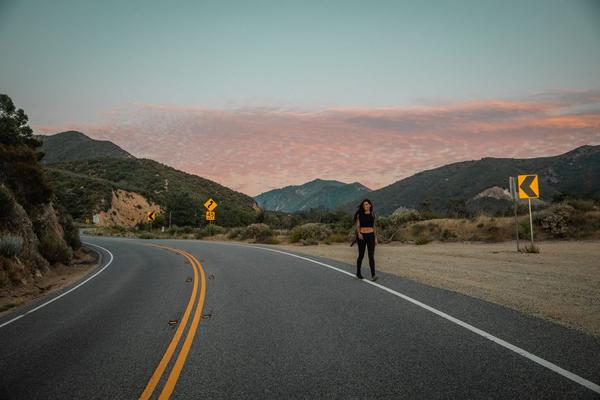
Solo travel across the United States can feel both freeing and intimidating. For women traveling alone, good planning matters more than chasing a list of supposedly “safe” cities.
A useful solo female travel USA guide should help you choose places that suit your confidence level, understand how you will move around, and build simple habits that reduce unnecessary risk.
Choose a destination that is easy to navigate
For a first solo trip, prioritise walkable neighbourhoods, reliable public transport, well-reviewed accommodation and plenty to do during daylight hours. New York City, Washington, DC, Boston and Chicago are popular choices because major attractions are clustered and public transport can reduce the need to drive.
Rather than relying on a ranking of the “safest cities for women,” research the exact neighbourhood where you plan to stay. Read recent hotel reviews, check how far the property is from transit, and look at the route between your accommodation and the places you expect to visit after dark.
Build your itinerary around transport, not just attractions
One of the best solo female travel tips is to plan the journey between places before booking the places themselves.
In large cities, learn the main transit line serving your hotel and save an offline map. If you are using Amtrak between cities, arrive with enough time to find the correct platform and keep your ticket and identification accessible. Amtrak advises passengers to remain aware in stations and report suspicious behaviour to staff or police.
Road trips require a different approach. Avoid letting the fuel level run extremely low in remote areas, download maps where mobile service may disappear, and plan overnight stops before you get tired. National Park Service guidance also recommends planning ahead for weather, emergencies and the conditions you may encounter outdoors.
Book accommodation with your evening routine in mind
A central location is especially valuable when travelling alone. Look for accommodation with a staffed reception or secure entry, consistently strong recent reviews and convenient transport.
When possible, arrange your first arrival during daylight. That gives you time to learn the neighbourhood, identify a nearby shop or café and understand the route back to your room without doing it for the first time after midnight.
Pack for independence rather than every possibility
Heavy luggage can make a solo journey harder. Pack enough to handle changes in weather without carrying items you are unlikely to use. A portable charger, comfortable walking shoes, any essential medication, a small day bag and copies of key travel details are more useful than an overfilled suitcase.
If you are flying within the United States and are 18 or older, TSA requires acceptable identification at the checkpoint. Since May 7, 2025, a standard state-issued licence that is not REAL ID compliant is not accepted as the normal form of identification for domestic air travel; a passport and other approved IDs remain alternatives. International visitors should keep their passport secure and check the requirements that apply to their immigration status and itinerary.
Create a simple personal safety routine
Good safety habits should support the trip rather than make you anxious about every interaction. Share your rough itinerary with someone you trust, keep your phone charged and avoid displaying large amounts of cash. If a situation feels wrong, leave without worrying about appearing rude.
Use official taxi ranks or established rideshare apps where appropriate, and confirm the vehicle and driver details before getting in. In bars or nightlife venues, keep control of your drink and have a clear plan for returning to your accommodation.
A practical example: if you are spending an evening in Washington, DC, check the final transit options before dinner rather than when the venue closes. If the return journey becomes complicated late at night, budget for a rideshare from a busy, well-lit pickup point instead of improvising.
Do not treat national parks like city sightseeing
Some of the most memorable female travel destinations in the USA are outdoors, but hiking alone requires different preparation. Check official park alerts, weather, trail conditions and daylight hours. Tell someone where you are going and when you expect to return. Carry enough water and suitable layers, and do not assume a popular trail will always have mobile coverage.
For remote or backcountry routes, the National Park Service recommends more detailed planning than for a simple day visit. If your experience level is limited, choose a well-used trail or join a ranger-led activity rather than making a difficult solo hike your first outdoor challenge.
Stay flexible without becoming careless
Solo travel works best when there is room to change plans. You may discover that a neighbourhood feels different from what you expected, weather may disrupt a hike, or transport may be delayed.
Leave some unscheduled time, but keep the essentials organised: accommodation address, transport details, emergency contacts and the next day’s main route. Useful related topics to explore include planning a first solo trip, choosing travel insurance for the USA and building a lightweight packing list.
Frequently asked questions
Is the USA safe for solo female travel?
Millions of women travel in the United States, but safety varies by city, neighbourhood, transport choice and activity. Research the specific area you are visiting, use current local information and adjust plans when conditions do not feel right.
What are good US destinations for a first solo trip?
Destinations with concentrated attractions and strong transport links can be easier for beginners. New York City, Washington, DC and Boston are common starting points, while the best choice depends on budget, interests and comfort with large cities.
Should I rent a car when travelling alone in the USA?
Not always. A car is unnecessary in some major cities but very useful for national parks, smaller towns and spread-out regions. Compare parking, transit and rideshare costs before deciding.
What should I do if I feel unsafe?
Move toward a staffed, busy or well-lit location, contact someone you trust and use local emergency services when necessary. In an immediate emergency in the United States, call 911.
Make the trip easy to manage
The best solo female trips are not built around fear or a promise that one destination is perfectly safe. They are built around good logistics, realistic choices and enough confidence to change course when necessary. Choose a base that is easy to navigate, plan transport before late evenings, pack lightly, stay connected and research specific neighbourhoods rather than broad city reputations. With those habits in place, exploring the USA alone can feel far more manageable and genuinely rewarding.