
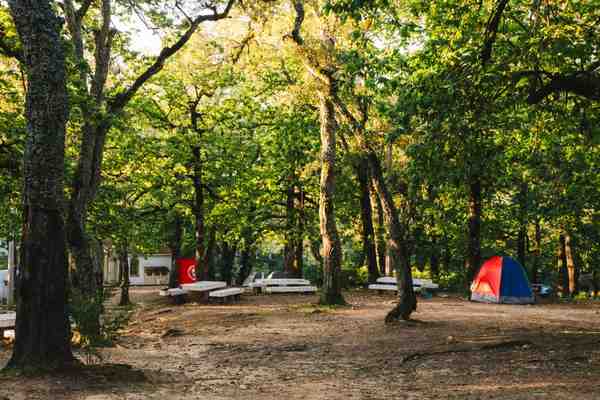
Your first camping trip should feel like an outdoor adventure, not a test of survival skills. The easiest way to make that happen is to choose a developed campground where you can park close to your site, find drinking water and restrooms, and reach trails or scenic areas without complicated logistics. The best campgrounds for beginners also give you enough support to recover from small mistakes, such as forgetting extra batteries or underestimating how long dinner takes on a camp stove.
These picks focus on tent and car camping rather than RV hookups. They span several regions of the USA and balance memorable scenery with practical features that make camping for first timers far less intimidating.
Big Meadows Campground, Shenandoah National Park, Virginia
Big Meadows is one of the strongest beginner camping spots on the East Coast. It sits near the middle of Skyline Drive, close to Byrd Visitor Center, Big Meadows itself, and popular hikes such as Dark Hollow Falls. Seasonal potable water, flush toilets, a camp store, laundry, and coin-operated showers make the campground unusually forgiving for new campers. Sites are reservation-only, so you can arrive knowing where you will sleep rather than hoping to find an open spot.
Smokemont Campground, Great Smoky Mountains National Park, North Carolina
Smokemont suits beginners who want a wooded mountain setting without feeling cut off from civilization. It is about six miles from Cherokee and is the closest family campground to Oconaluftee Visitor Center in the southern part of the park. The campground has drinking water, flush toilets, picnic tables, fire rings, and sites for tents and RVs. There are no showers or hookups, but the basic facilities make this a manageable introduction to a more traditional camping experience.
Blackwoods Campground, Acadia National Park, Maine
For a first camping trip built around coastal scenery, Blackwoods is hard to beat. It places campers on Mount Desert Island inside Acadia National Park, making it easy to spend the day exploring forests, granite shoreline, carriage roads, and scenic viewpoints without breaking camp. Blackwoods operates seasonally and provides potable water and flush toilets, although there are no showers in the campground. Campsites must be reserved in advance, which is helpful for beginners who prefer certainty before leaving home.
Watchman Campground, Zion National Park, Utah
Watchman is convenient for a first national-park camping trip because it sits close to the Zion Canyon Visitor Center and the pedestrian entrance to Springdale. You can establish camp, walk to visitor services, and use the park shuttle system instead of packing the car for every outing. Standard sites can be reserved months ahead, while nearby Springdale provides a useful safety net for groceries, meals, or forgotten gear. Spring and autumn are generally easier than the hottest part of summer for new tent campers.
Black Rock Campground, Joshua Tree National Park, California
Desert camping can sound demanding, but Black Rock offers a gentler introduction than many remote desert sites. It has drinking water, flush toilets, tables, fire grates, a dump station, and comparatively useful connectivity. The bigger challenge is climate. Bring more water than you expect to use, protect food from heat, and avoid treating summer conditions like a normal weekend outdoors. Joshua Tree is especially busy from autumn through spring, so booking ahead is wise for weekends, holidays, and popular dates.
Moraine Park Campground, Rocky Mountain National Park, Colorado
Moraine Park gives beginners a classic Rocky Mountain setting while keeping them in a developed campground. During the summer season, reservations are required and potable water is available. The location makes it practical to combine camping with scenic drives and day hikes rather than committing to remote backcountry travel. Altitude deserves respect, though. Plan a relaxed first afternoon, drink water regularly, and avoid scheduling your hardest hike immediately after arrival if you have come from a much lower elevation.
Mather Campground, Grand Canyon National Park, Arizona
Mather is a smart choice for new campers who want a famous destination with substantial visitor infrastructure nearby. It is in Grand Canyon Village on the South Rim and operates year-round. Reservations are recommended for much of the main season, while camper services near the campground can include showers and laundry when operating. The South Rim also has shuttle transportation, visitor services, and nearby food options. Because water availability and fire rules can change, check current park notices shortly before your trip.
Upper Pines Campground, Yosemite National Park, California
Upper Pines is logistically beginner-friendly once you have secured a reservation. It sits in Yosemite Valley, has tap water and developed restroom facilities, and puts campers close to some of the park’s best-known scenery. The catch is demand: Upper Pines requires reservations year-round, and popular Yosemite campsites can disappear quickly when booking windows open. Treat the reservation itself as part of trip planning rather than driving to Yosemite during the busy season and expecting to find a last-minute campsite.
How to Choose the Right First Campground
A beautiful campground is not automatically a good first campground. Prioritize the basics that remove friction: a reservable site, legal parking at or near the campsite, potable water, restrooms, manageable weather, and reasonable access to supplies. Easy campgrounds near visitor centers or gateway towns often make better first choices than isolated sites with better views but fewer services.
Imagine your first night gets colder than expected and your stove fuel runs low. At a campground such as Big Meadows, nearby seasonal services may help you solve both problems quickly. At a primitive site, the same mistakes could end the trip. Your first outing is the right time to learn how your tent, sleep system, cooler, lighting, and cooking setup work together. Before leaving, review a beginner camping checklist, campground reservation planning guide, and camping food guide for weekend trips; each is a natural next step when preparing for a first stay outdoors.
Frequently Asked Questions
What amenities should beginners look for in a campground?
Look for potable water, restrooms, a reservable campsite, easy vehicle access, and nearby supplies. Showers are helpful but not essential for a short trip.
How many nights should a first camping trip last?
One or two nights is usually enough. A short stay lets you test your gear and routines without committing to a long vacation if the weather or sleep setup does not work well.
Should first-time campers reserve a campsite?
Yes, whenever reservations are available. A confirmed site removes a major source of stress, especially at popular national parks where first-come, first-served space may be limited or unavailable.
Is car camping easier than backpacking for beginners?
Usually. Car camping lets you keep extra clothing, food, water, and backup gear close by. It is a practical way to learn outdoor basics before carrying everything into the backcountry.
Start With Convenience, Then Add Adventure
The best first campground is not necessarily the wildest place you can find. It is the place that lets you enjoy sleeping outdoors while keeping the logistics simple enough to learn from the experience. Choose a developed site, reserve early, check current park conditions, and keep your first itinerary modest. Once pitching the tent, cooking dinner, storing food, and sleeping outside feel routine, you can confidently move on to more remote camping trips.