
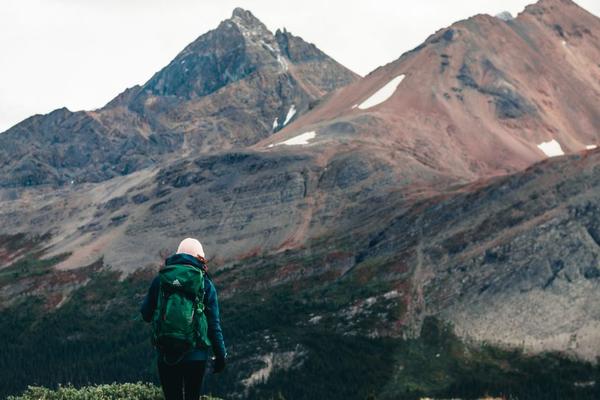
Backcountry hiking begins where an ordinary trail walk loses many of its safety nets. Phone service may disappear, water may be untreated, signs may be limited, and help can be hours away. For beginners, the goal is not to prove toughness. It is to build enough planning, navigation, and self-reliance to keep small problems from becoming emergencies.
Understand What Changes in the Backcountry
A developed day hike may have frequent visitors, clear signs, toilets, and easy road access. Wilderness hiking can remove most of those conveniences. You may need to identify your route, treat natural water, respond to changing weather, manage wildlife precautions, and handle an injury without immediate assistance.
Good backcountry basics are therefore mostly about preparation and conservative choices. Start with a route that is shorter and easier than the maximum you think you can handle. Extra daylight, energy, food, and water are useful safety margins, not wasted capacity.
Plan the Route as a Series of Decisions
Remote trail planning should cover more than mileage. Study elevation gain, terrain, junctions, water sources, river crossings, exposed sections, turnaround points, and possible exit routes. Check the land manager’s current trail alerts, permits, fire restrictions, wildlife guidance, and other local rules before leaving.
Check the forecast for the actual hiking area and elevation, not only the nearest town. Decide beforehand what will make you turn around: worsening weather, a high stream crossing, slower progress, or reaching a set time before a key landmark. A decision made at home is easier to follow than an optimistic choice made when you are tired.
Leave a trip plan with a reliable person. Include the trailhead, route, destination, expected return time, vehicle details, and when that person should seek help if you do not check in.
Navigate Without Depending on Cell Service
Download offline maps before the trip and carry a charged navigation device, but do not make your phone the entire system. Batteries fail, screens break, and remote areas often lack reception. Carry an appropriate paper map and compass as a backup, and practice using them before your trip.
Navigate actively. Notice major junctions, stream crossings, ridges, and other landmarks while you still know where you are. If your location becomes uncertain, stop rather than continuing in a guessed direction. Compare the terrain with your map and only retrace your route when you can identify the last place where your position was certain.
Carry Water and Know How You Will Treat More
Clear mountain water is not automatically safe to drink. The CDC advises treating water when its safety is uncertain. Boiling is the most reliable way to kill germs; when boiling is not practical, filtration followed by disinfection is another strong approach.
Research whether seasonal sources are likely to be flowing, while remembering that conditions can change. Carry enough water to tolerate a dry source or delay, plus a backup treatment option in case your main filter clogs, freezes, or breaks.
Pack for Delays, Not Just the Planned Hike
Your pack should help you cope if the trip takes longer than expected. Bring navigation tools, extra food, water capacity and treatment, weather protection, insulation, sun protection, a headlamp, first-aid supplies, emergency shelter, and practical repair or fire-starting equipment where legal and appropriate. Carry necessary medicines where they are easy to reach.
A satellite messenger or personal locator beacon can add an important communication layer where phones do not work. Learn how the device functions before leaving and keep it accessible. Technology is useful, but it cannot make an unsafe route or poor decision safe.
Treat Weather and Wildlife as Route Conditions
Weather can change whether a route is reasonable. Watch clouds, wind, temperature, and water levels as you travel. If thunderstorms threaten exposed terrain or rain makes a crossing unsafe, changing plans is part of responsible beginner hiking safety.
Wildlife precautions depend on location. Follow the land manager’s rules for food and scented-item storage, particularly in bear country. Keep your distance from animals, never feed them, and do not approach for photographs. Even food scraps can attract wildlife and change natural behavior.
A Practical First-Trip Scenario
Imagine an out-and-back route with one major junction and a stream halfway to the turnaround point. Before leaving, you save an offline map, mark both landmarks, check current conditions, and give your itinerary to a friend. At the stream, clouds are building sooner than forecast and you are moving more slowly than planned.
The tempting choice is to continue because the destination feels close. The better choice is to follow your preset turnaround time and head back while you still have daylight and familiar terrain. That is a core backcountry skill: recognizing when the safer plan has changed.
Leave Less Impact Behind
Leave No Trace principles fit naturally with self-reliant travel. Plan ahead, use durable surfaces, dispose of waste properly, leave natural and cultural objects where they are, minimize campfire impacts, respect wildlife, and consider other visitors. Always follow more specific local regulations where they apply.
Avoid shortcuts that widen trails or damage vegetation. Pack out trash and food scraps. If a route is closed, badly flooded, or unsafe, do not create a new path around the problem unless official guidance directs you to one.
Choose a First Trip With Plenty of Margin
For your first backcountry outing, favor a popular, well-documented route with moderate terrain, clear navigation features, and an easy turnaround option. Going with an experienced partner can help you learn faster. Basic navigation practice and a wilderness first-aid course are worthwhile next steps before attempting longer or more isolated trips.
Progress gradually. After each trip, note what worked, what you carried but never needed, what you wished you had practiced, and where the plan became uncertain. Real confidence comes from repeated good decisions, not simply owning more gear.
FAQ
What is the difference between hiking and backcountry hiking?
Backcountry hiking generally takes you farther from developed facilities, road access, reliable communication, and immediate help. It requires more preparation for navigation, water, weather, emergencies, and self-rescue.
Should beginners go backcountry hiking alone?
Solo travel increases the consequences of injury or navigation mistakes. Beginners can gain useful experience with a capable partner or group. If you go alone, choose a conservative route, leave a detailed itinerary, carry suitable emergency communication, and stay well within your skills.
Do I need GPS for backcountry hiking?
A GPS device or offline mapping app is useful, but it should not be your only navigation method. Carry a backup such as a map and compass and know how to use it before entering remote terrain.
How much water should I carry?
There is no single amount for every trip. Your needs depend on heat, altitude, exertion, trip duration, and reliable water access. Plan for the specific route, carry a reserve, and bring a proven treatment method for natural sources.
Conclusion
Backcountry hiking for beginners is less about chasing remoteness than learning to manage it. Research the route, navigate actively, treat uncertain water, prepare for weather and delays, follow local wildlife rules, leave a trip plan, and turn around when conditions exceed your plan. Those habits create a foundation for safer, more enjoyable adventures as your skills and range grow.