
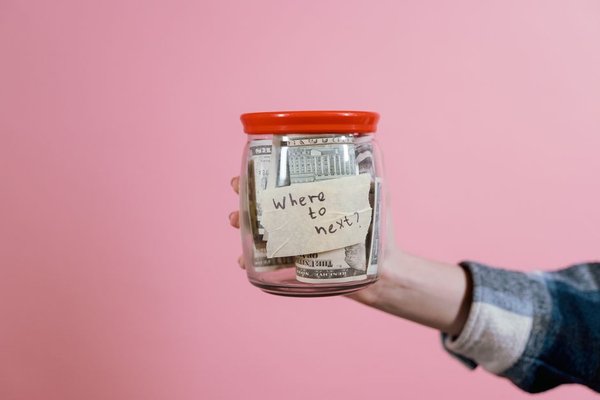
A solo trip can look affordable until you realize the hotel room, airport transfer, and taxi fare are yours alone. Traveling with friends makes some costs easy to split; traveling independently means planning around what one person actually pays. A realistic solo travel budget separates upfront expenses from daily spending, includes easily missed charges, and leaves room for surprises without draining your savings.
Start With the Trip You Actually Want
Choose a destination, trip length, dates, and comfort level before hunting for deals. A five-night city break with a private room is different from two weeks in hostel dorms. Season matters, too: a bargain flight during a major festival may lead to expensive accommodation.
List your nonnegotiables, such as a central neighborhood, private bathroom, or guided excursion. This stops you building a solo vacation budget around prices you would never accept. Research costs for your dates, not an annual average or someone else’s old itinerary.
Separate Fixed Costs From Daily Expenses
Divide solo trip costs into two groups: expenses paid once and expenses that increase with each day. Otherwise, a reasonable-looking daily allowance can hide an expensive flight, travel insurance, or airport transfer.
Flights, Entry Costs, and Insurance
Record the full flight price, including baggage, necessary seat selections, and transport to both airports. An inconvenient arrival time can create extra taxi costs that erase a cheap airfare’s savings. Check passport validity, visa or entry authorization charges, and destination requirements through official government sources.
Include travel insurance as a separate line. Compare medical coverage, exclusions, deductibles, and cancellation conditions rather than assuming the cheapest policy offers the protection you need.
Accommodation Is Where Solo Costs Stand Out
A $90 room costs a solo traveler $90, not $45. Compare the complete stay price, including taxes, cleaning fees, and local charges. Hostels may offer cheaper dorm beds, while guesthouses or private hostel rooms can provide more privacy without a full hotel bill.
Location also affects the total. Saving $15 nightly on a distant room may be pointless if you spend $12 daily on transport. Consider safe access, secure luggage storage, reviews, and evening journeys. Researching affordable accommodation for solo travelers can help you compare practical options, not just advertised rates.
Meals, Local Travel, and Activities
Estimate food spending based on how you actually eat: breakfast, lunch, dinner, drinks, and snacks. Check sample menus where possible. For transport, price likely journeys, airport connections, transit passes, and intercity tickets rather than choosing an arbitrary daily figure.
Give experiences their own allowance. Museum admissions, guided tours, equipment rentals, and tips can quietly increase the bill. Keep money for the activities that motivated the trip instead of treating every attraction as an unexpected expense.
Test Your Plan With a Realistic Example
Imagine a six-day, five-night solo city break. The following US-dollar figures are illustrative, not current prices for a particular destination.
Return airfare: $260. Accommodation for five nights at $72: $360. Food for six days at $30: $180. Local transport, including airport connections: $65. Attractions: $70. Travel insurance: $35. Estimated payment and booking fees: $20.
The planned total is $990. Adding a 15% contingency of about $149 gives a working budget of approximately $1,139. That extra money is for a delayed connection, unexpectedly expensive transfer, or other manageable surprise—not an automatic souvenir allowance.
If $1,139 is beyond your means, change the plan before booking. Shorten the trip, shift dates, choose well-connected accommodation, or remove lower-priority attractions. Do not close a $200 gap by pretending you will barely eat or never need transport.
Don’t Forget the Small Charges
Some costs barely register during initial planning: baggage storage before check-in, laundry, mobile data, cash withdrawal fees, currency conversion, tourist taxes, and foreign transaction charges. Certain tours and accommodation packages apply a single-person supplement. Always inspect the final booking total.
Keep an emergency reserve separate from normal spending. For international travel, arrange backup access to funds if your primary card is lost, and check local payment habits. A solo travel safety checklist can help you think through these arrangements before departure.
Save Money Without Sacrificing Safety or Enjoyment
Budget travel alone should not mean choosing the cheapest possible bed regardless of location. Consider shoulder-season dates, neighborhoods with reliable transport, and accommodation with a kitchen if preparing meals will genuinely save you money. Compare total costs rather than headline prices.
Pick a few paid experiences you care about and balance them with parks, public markets, walking routes, or free museum sessions where offered. A single excellent guided tour may provide better value than several hurried attractions. Take safety, luggage, and after-dark travel into account when comparing cheap routes.
Pack within airline limits to avoid last-minute baggage charges. Guidance on packing light for solo travel can help you decide which extras are unnecessary before you purchase them.
Give Yourself a Flexible Daily Allowance
After accounting for prepaid costs, divide the remaining everyday spending money by the number of days. Record meals, transport, and entertainment in a notes app or spreadsheet. Review the running total each evening, keeping essentials separate from discretionary purchases.
One expensive excursion does not ruin a sensible budget. Spend a little less on another day if necessary, but do not use emergency savings to cover routine overspending. The aim is an affordable, enjoyable trip—not identical daily totals.
Frequently Asked Questions
How much should I budget for solo travel?
There is no universal amount. Look up destination-specific accommodation, food, transport, and activity prices, then add flights, insurance, fees, and contingency money. Dates and your preferred level of privacy can change the calculation dramatically.
Is traveling solo more expensive than going with a friend?
It can be, especially when you cannot split rooms, rental cars, or taxis. However, traveling alone lets you control your itinerary and spending without group compromises. Compare complete trip costs rather than assuming every category is more expensive.
How much emergency money should I set aside?
A contingency of roughly 10–20% of estimated trip costs is one possible starting point, not a universal safety guarantee. Consider potential medical expenses, insurance limits, your destination, and your ability to change travel plans or access additional funds.
What is the easiest way to reduce a solo vacation budget?
Review accommodation and dates first. Those choices can make a meaningful difference without cutting meals or important protections. Then reduce lower-priority activities and avoid unnecessary baggage or booking charges.
Plan for the Whole Journey
The best solo travel budget reflects costs you cannot share and the experiences you genuinely value. Price the full trip, check final totals before committing, and protect some money for the unexpected. That preparation gives you the freedom to enjoy traveling alone without constantly worrying about tomorrow’s expenses.