
There’s a quiet kind of excitement that builds before a trip. It starts with a destination in mind, grows into plans and possibilities, and eventually turns into that familiar pre-departure rush. Somewhere between packing bags and double-checking documents, the idea of a travel essentials checklist becomes less of a suggestion and more of a necessity.
Travel, no matter how spontaneous it feels, has a way of exposing what we forget. A missing charger, an overlooked document, or even something as small as a reusable water bottle can shape the experience more than expected. Having a thoughtful checklist isn’t about overplanning—it’s about creating space to actually enjoy the journey.
The Foundation of a Thoughtful Travel Essentials Checklist
Every trip begins with the basics. These are the items that don’t depend on destination or duration; they are universal, almost instinctive. Yet, they’re also the ones most commonly forgotten in the rush.
Think of your essentials as the backbone of your travel experience. They support everything else. Without them, even the most carefully planned itinerary can unravel.
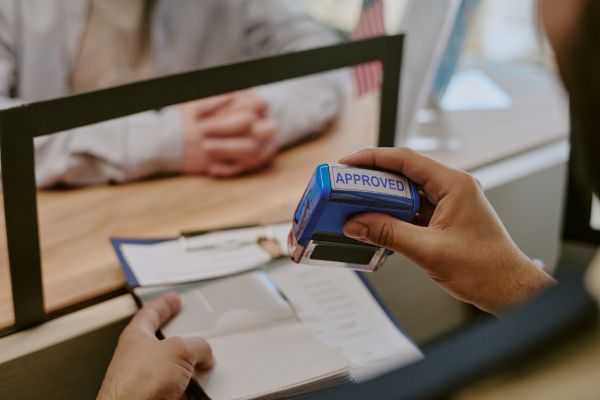
Documents sit at the very core of this foundation. Passports, identification, travel confirmations—these are not just formalities but gateways to movement. Keeping them organized, accessible, and secure brings a kind of calm that’s hard to replicate once you’re already on the road.
Alongside documents, your finances matter just as much. Whether it’s cash in the local currency or a reliable card, access to money shapes your ability to adapt. It’s not about carrying everything, but about carrying enough to feel secure without being burdened.
Clothing That Works With Your Journey
Packing clothes is rarely as simple as it seems. It’s easy to overestimate what you’ll need and underestimate what you’ll actually wear. A well-balanced approach focuses less on quantity and more on versatility.
The key is to think in combinations. Pieces that can be layered, mixed, and worn in different settings tend to serve you better than single-purpose outfits. Weather plays its part, of course, but so does comfort. Long travel days, unexpected delays, and spontaneous plans all demand clothing that moves with you rather than against you.
Footwear deserves its own consideration. A comfortable pair of shoes can quietly determine how much you explore, how far you wander, and how much you enjoy those moments. It’s one of those choices you only fully appreciate once you’re already walking through unfamiliar streets.
Personal Care Items That Make a Difference
There’s something grounding about familiar routines, especially when you’re far from home. Personal care items often go unnoticed until they’re missing. A simple toothbrush, a preferred skincare product, or even a familiar scent can bring a sense of normalcy to an otherwise unfamiliar environment.
The idea isn’t to recreate your entire bathroom in a travel bag. It’s about selecting what genuinely matters to you. Travel-sized versions of essential items help keep things light while ensuring you don’t compromise on comfort.
Health-related items deserve careful thought as well. Basic medications, any prescriptions, and small first-aid essentials can save time and stress in situations where access might be limited. It’s one of those quiet precautions that often goes unnoticed—until it doesn’t.
Technology and the Modern Traveler
Travel today is intertwined with technology in ways that were unimaginable not long ago. Phones have become maps, cameras, boarding passes, and communication tools all in one. With that convenience comes a responsibility to stay powered and connected.
Chargers, power banks, and adapters are more than accessories—they’re lifelines. The ability to navigate a new city, check bookings, or stay in touch depends on them. A universal adapter, in particular, becomes invaluable when crossing borders.
At the same time, there’s something to be said for balance. While technology enhances travel, it can also distract from it. Packing thoughtfully means ensuring you have what you need without letting it overshadow the experience itself.
Travel Comfort and Small Luxuries
Long journeys have a way of testing patience and comfort. Whether it’s a flight, a train ride, or hours in a car, the little things often make the biggest difference.
A neck pillow, a lightweight blanket, or even a pair of noise-canceling headphones can transform how you experience travel. These aren’t necessities in the strictest sense, but they bridge the gap between enduring a journey and actually enjoying it.
Snacks and hydration play their role too. Having something familiar to eat or drink can be surprisingly comforting, especially during delays or unexpected changes in plans. It’s a reminder that comfort doesn’t always come from big gestures—it often comes from small, thoughtful choices.
Organizing Your Belongings With Intention
Packing isn’t just about what you bring; it’s about how you bring it. Organization can turn a chaotic bag into a functional space where everything has its place.
Using packing cubes or simple compartments allows you to separate items by category. Clothes, electronics, documents—each finds its own section, making it easier to access what you need without unpacking everything.
This sense of order extends beyond convenience. It reduces stress. When you know exactly where something is, you spend less time searching and more time experiencing. That shift, though subtle, changes how you move through your trip.
Adapting Your Checklist to the Destination
No two trips are exactly alike, and your travel essentials checklist should reflect that. A beach destination calls for different priorities than a city break, just as a hiking trip differs from a cultural exploration.
The environment shapes your needs. Warm climates might require sun protection and lighter fabrics, while colder regions demand layers and insulation. Cultural considerations can also influence what you pack, especially in places where dress codes or customs differ from what you’re used to.
Adapting doesn’t mean starting from scratch. It means building on your core essentials and tailoring them to fit the journey ahead. This flexibility is what turns a generic checklist into a personal one.
The Role of Preparation in Peace of Mind
Preparation often gets mistaken for rigidity, but in reality, it creates freedom. When you’ve thought through your essentials, you’re less likely to be caught off guard by small inconveniences.
That peace of mind carries into the experience itself. You move through airports with more confidence, explore new places with less hesitation, and respond to unexpected situations with a sense of control.
It’s not about eliminating every possible challenge—travel, by nature, is unpredictable. It’s about minimizing avoidable stress so that the unpredictable parts feel like adventure rather than disruption.
Letting Go of Perfection While Staying Prepared
There’s a delicate balance between being prepared and overpacking. It’s easy to fall into the trap of “just in case,” filling your bag with items that never see the light of day.
A good checklist encourages intention rather than excess. It asks you to consider what you truly need and what you can comfortably do without. This process often reveals something interesting: we tend to need less than we think.
Letting go of perfection doesn’t mean neglecting preparation. It means trusting your ability to adapt, improvise, and make do. In many ways, those moments of adjustment become part of the story.
A Travel Essentials Checklist as a Personal Ritual
Over time, a checklist becomes more than a practical tool—it becomes a ritual. It marks the transition from everyday life to something different, something open-ended.
There’s a rhythm to it. Checking documents, folding clothes, charging devices. Each step builds anticipation, turning preparation into part of the journey rather than a separate task.
This ritual evolves with experience. What you once considered essential might fade away, replaced by something more meaningful or practical. In that sense, your checklist grows with you, reflecting how you travel and what you value.
Conclusion: Traveling Light, Traveling Well
A travel essentials checklist isn’t about packing more; it’s about packing better. It’s a quiet guide that helps you move through your journey with clarity and ease, allowing you to focus on what truly matters.
In the end, travel is less about the things you carry and more about the experiences you collect. The right essentials simply support those moments, ensuring that nothing unnecessary stands in the way.
As you prepare for your next trip, take a moment to consider not just what you need, but why you need it. That awareness, more than any item, becomes the most valuable thing you bring along.