
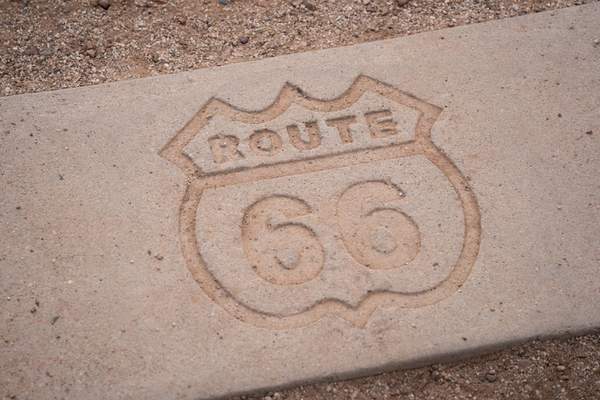
A Route 66 road trip is less about reaching California quickly and more about discovering what happened along the way. Between Chicago skyscrapers and the Pacific Ocean, diners, neon motel signs, trading posts and desert landscapes tell the story of America’s most celebrated highway. The trick is knowing which stretches to follow, because the original road is no longer one continuous numbered highway.
Route 66 at a glance
Established in 1926 and removed from the US Highway System in 1985, Route 66 crossed eight states: Illinois, Missouri, Kansas, Oklahoma, Texas, New Mexico, Arizona and California. Its later historic alignment stretched roughly 2,448 miles, although today’s driving distance varies with detours and the alignment you choose.
Allow 12 to 16 days for a comfortable Chicago to Santa Monica road trip. Ten days can work with selective stops, while three weeks gives you time for museums and side trips. Spring and autumn generally offer more comfortable desert driving than midsummer; mountain sections can still experience winter conditions.
Route 66 itinerary: the journey west
Illinois: Chicago to Springfield
Begin near the historic eastern start on Adams Street in downtown Chicago. Once outside the city, seek out the Gemini Giant in Wilmington, roadside eateries and Route 66 exhibits in Pontiac.
Missouri: St. Louis to Joplin
Cross the Mississippi into St. Louis, where the Gateway Arch makes a memorable detour. Continue through Cuba and Lebanon for murals, classic motels and preserved roadside architecture. Missouri’s wooded hills are a surprise if you expect Route 66 to be desert from the start. Check historic bridges before planning to drive across them; some are pedestrian-only or closed.
Kansas: the short but memorable section
Route 66 clips the southeastern corner of Kansas for approximately 13 miles. Galena and Baxter Springs reward a slower pace with heritage displays and vintage streetscapes. The restored Rainbow Bridge near Riverton is a worthwhile photo stop, but verify current vehicle access. This is ideal for a relaxed morning rather than another overnight stay.
Oklahoma: roadside culture at its best
Oklahoma preserves extensive drivable stretches of historic Route 66. Stop at the Blue Whale of Catoosa, explore Tulsa’s art deco surroundings, then visit the Round Barn in Arcadia or the Oklahoma Route 66 Museum in Clinton. Choose one or two museums instead of trying to enter every attraction.
Texas: Amarillo and the Panhandle
Texas offers broad skies and unmistakable roadside icons. Amarillo’s Cadillac Ranch is a popular art installation, while historic Sixth Street has businesses recalling the highway’s heyday. West of town, Adrian is associated with the route’s midpoint. Plan fuel stops sensibly: open countryside and gaps between services are part of the experience.
New Mexico: Tucumcari to Albuquerque
Tucumcari is famous for its neon signs and the historic Blue Swallow Motel. Farther west, Santa Rosa and Albuquerque offer motoring history and Southwestern culture. There are multiple Route 66 alignments around Santa Fe and Albuquerque; the pre-1937 route through Santa Fe is a scenic, time-consuming alternative to the later, more direct alignment.
Arizona: painted landscapes and classic towns
Winslow’s downtown, the Petrified Forest area’s old Route 66 roadbed, and Williams and Seligman are standout Arizona stops. Petrified Forest National Park preserves evidence of the historic alignment, but you cannot simply drive the old road through the park. For an atmospheric section, follow the signed historic route from Seligman toward Kingman when conditions permit.
California: the desert to Santa Monica
From Needles, old alignments pass through the Mojave Desert, Amboy and Barstow before reaching Los Angeles. Some desert segments are remote, rough or temporarily inaccessible, so check road conditions rather than trusting an old map. Finish at Santa Monica Pier’s symbolic End of the Trail sign. The official western terminus associated with the later alignment is at Lincoln and Olympic boulevards, not on the pier itself.
How to divide the drive into manageable days
A practical 14-day plan gives two days to Illinois and Missouri, a day through Kansas into Oklahoma, two more across Oklahoma and Texas, two in New Mexico, three in Arizona and the remaining time for California, sightseeing and departure. These are flexible blocks, not a promise that every attraction fits.
For example, if you leave Tucumcari after breakfast, explore Albuquerque and continue to Arizona, you may arrive too late to enjoy either place. An overnight stay in Albuquerque makes the next day’s westbound drive more enjoyable. Build your route around experiences, not merely mileage.
Choose historic alignments without getting lost
Today’s route is a patchwork of historic streets, frontage roads, scenic byways and sections replaced by interstates, particularly I-40 in the Southwest. A navigation app will often choose the fastest highway instead of an older alignment. Use a dedicated Route 66 map or guide alongside live navigation, and identify priority stops in advance.
If you love detours, compare the Santa Fe alignment in New Mexico with the direct route. If time is limited, use interstate connectors strategically and return to historic segments near your favourite places. A Southwest national parks road trip guide can help you judge which natural attractions deserve an extra day.
Practical tips before you set off
Reserve popular historic motels ahead of time, especially on weekends and during events. Carry drinking water, keep fuel comfortably above empty in isolated sections and download offline maps where reception is unreliable. Check national park information, weather forecasts and state road advisories shortly before each day’s drive.
Budget for fuel, accommodation, meals, admission charges, parking and any one-way rental-car fee. International visitors should confirm licence and insurance requirements with their rental company. A road trip packing checklist is useful for sun protection, chargers, medication and emergency supplies. Respect private property at abandoned sites, and never enter a closed road just to follow an old highway shield.
Route 66 road trip FAQs
Can you still drive the entire original Route 66?
No. The highway was decommissioned, and some old sections have disappeared, changed ownership or become unsafe. You can still follow many preserved stretches by combining historic alignments with modern connecting roads.
How many days do you need for Route 66?
Plan roughly two weeks for a satisfying first trip. Seven to ten days suits a highlights-only drive, while 16 to 21 days allows more museums, town visits and detours without constant rushing.
Which direction is best for a Route 66 road trip?
East to west is the traditional choice and finishes at the Pacific, but west to east works equally well. Choose according to flights, rental-car availability, seasonal weather and where you want extra time.
Is the Santa Monica Pier the official end of Route 66?
The pier’s End of the Trail sign is a popular symbolic finish. The later highway’s official endpoint was at Lincoln and Olympic boulevards in Santa Monica, so visitors can see both locations.
The road is the destination
A rewarding Route 66 road trip mixes famous landmarks with unplanned moments: a family-run diner, a quiet main street or a conversation at a restored motel. Pick a few essential Route 66 stops, allow space between them and follow the historic road whenever it makes the day better. That is how the journey from Chicago to Santa Monica becomes more than a long drive.