
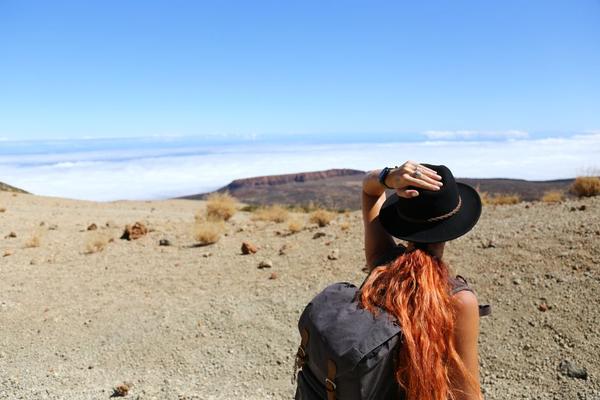
Solo travel for introverts can be wonderfully freeing, but only when the trip leaves room to think, rest and explore without constant conversation. The aim isn’t to avoid people altogether. It’s to choose when you engage, where you spend your energy and how much stimulation feels enjoyable rather than exhausting.
A packed itinerary can make a beautiful destination feel like hard work. A calmer plan offers discovery without spending every evening recovering from the schedule. Design your trip around your actual preferences, not an imaginary version of yourself who wants to socialise from breakfast until midnight.
Plan around your energy, not just your interests
Before booking, write down three experiences you’d enjoy and three situations that drain you. Perhaps you love museums, independent cafés and scenic walks but dislike crowded excursions, shared bedrooms and noisy nightlife. These patterns matter more than whether a destination is labelled introvert-friendly.
Think of social energy as part of your travel budget. A guided tour, busy market and communal dinner might each be enjoyable separately. Stacking all three into one day could leave you exhausted. Choose one higher-energy activity, then surround it with quieter options.
One useful introvert travel tip is to mark activities as fixed or flexible. Book experiences requiring timed entry, but leave other hours open. Changing your plans isn’t a failure; it’s the reason you kept them flexible.
Choose a destination with breathing room
Quiet solo travel doesn’t require a remote cabin. Walkable neighbourhoods, reliable transport and access to parks can make a lively city comfortable. What matters is being able to step away from crowds when you want.
Look beyond a city’s reputation
Compare neighbourhoods rather than entire destinations. An entertainment district may keep you near attractions but make evenings loud. A residential area a short transit ride away could offer calmer mornings. Check recent accommodation reviews for noise and construction, then look at maps to understand the journey back after dark.
Keep arrival day easy
If possible, arrive with daylight to find your accommodation and get your bearings. Plan a simple meal and perhaps one short walk. Save complicated transit connections and major sightseeing for after you’ve settled in.
Build a rhythm with quiet time included
Organise days into three blocks: a main outing, a pause and an optional activity. The pause is real time, not a gap you must fill. Read in your room, sit in a garden or enjoy lunch alone without rushing.
On a city break, for example, you might visit a museum in the morning, eat at a small café and return to your room mid-afternoon. In the evening, choose between a neighbourhood walk and staying in. Both outcomes count as a successful day because your schedule accommodates either.
Stay longer in fewer places when your budget allows. Frequent hotel changes mean repeated check-ins, route planning and decisions. A slower itinerary may feel richer than one spent constantly in transit.
Book accommodation that gives you a reset
Private space is often worth prioritising over a trendy property with lots of shared activities. A comfortable private room in a suitable location may be enough. An apartment offers independence, but consider check-in arrangements and whether help is available on-site.
Hostels vary: some have private rooms and relaxed common areas, while others revolve around late-night social events. Read descriptions and reviews carefully rather than assuming all hostels provide the same experience.
Pack small comforts such as earplugs, headphones, a book and an offline map. A solo travel packing list is a useful related checklist, but prioritise the few things that genuinely help you feel settled.
Set social boundaries without closing every door
Travelling alone doesn’t mean starting conversations to prove you’re having fun. Nor does it require rejecting every invitation. A short walking tour, a workshop or a café conversation can offer connection without demanding an entire evening.
Prepare simple phrases: “I’m exploring on my own this afternoon,” or “Thanks, but I’m keeping tonight quiet.” You don’t owe anyone a complicated explanation. Boundaries are easier when you’ve decided what feels comfortable before someone asks.
Structured activities can make socialising easier. In a cooking class, there’s something to focus on and a natural ending. If conversation flows, great. If it doesn’t, you’ve still had an experience worth remembering.
Keep independence practical and safe
Low pressure travel works best when basic logistics aren’t a constant worry. Save your accommodation address, relevant emergency contacts and offline maps. Check how to reach your lodging from the airport or station, and share your general plans with someone you trust if appropriate.
Research local transport, opening hours and entry requirements through official sources before departure. Know how you’d return if your phone ran out of battery or a service stopped running. Backup options protect the freedom to change plans.
You can leave any situation that feels uncomfortable, decline an invitation or choose a reputable transport option instead of pushing through unease. The same principles covered in solo travel safety tips apply regardless of personality.
Test your travel style on a shorter trip
If a week alone feels intimidating, start with a day trip or one overnight stay nearby. Choose an activity you care about, practise eating alone somewhere pleasant and notice your energy afterward. Did you want more interaction, more quiet or more unplanned time?
Use that information to shape your next journey. Perhaps you love solo breakfasts but prefer a guided tour for historic sites. Perhaps a private room matters more than a central location. There’s no universal introvert itinerary; your reactions are the most useful guide.
For a first longer journey, how to travel alone for the first time is another helpful planning topic. Keep research practical rather than turning preparation into its own source of stress.
Frequently asked questions
Is solo travel good for introverts?
It can be an excellent fit because you control your schedule and social interactions. Leave enough quiet time and avoid copying itineraries built around nonstop group activities.
How can I meet people without feeling overwhelmed?
Try interest-based activities with clear finishing times, such as workshops or guided walks. Enjoy the activity without putting pressure on yourself to make friends, and leave time afterward to recharge.
Should introverts avoid busy cities?
Not necessarily. A busy city can work well if you stay somewhere comfortable, visit popular sights during quieter periods and balance stimulating outings with calm spaces.
What if I feel lonely on a solo trip?
Loneliness can happen even when you enjoy solitude. Contact someone you know, join a manageable activity or spend time in a welcoming public space. Adjust the plan rather than treating the feeling as proof solo travel isn’t for you.
A trip that fits you is the successful trip
You don’t need to become more outgoing to see more of the world. Satisfying solo travel for introverts often comes from a comfortable base, spacious days, intentional social moments and permission to change course. Plan around what restores you, and you’ll have more energy for the experiences that matter.