
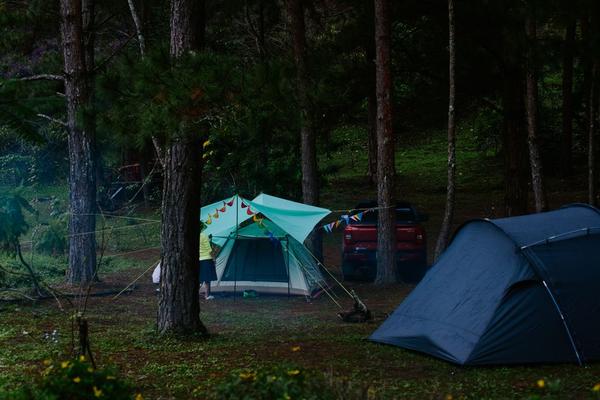
Your first camping trip should feel adventurous, not overwhelming. The best campgrounds for beginners make the practical side easy: you can drive directly to your site, find drinking water and proper restrooms nearby, and reach trails or scenic areas without complicated logistics. That is why developed tent and car-camping destinations are often a better introduction than remote backcountry sites.
What Makes a Campground Beginner-Friendly?
For camping for first timers, location is only part of the decision. Look for a reservable site with a designated parking space, a level tent area, potable water and flush toilets. A staffed entrance station, camp shop or nearby town can also reduce stress when you forget ice, firewood or another small essential.
Easy campgrounds do not necessarily provide every comfort. Some outstanding national park sites have no showers or electrical connections. What matters is knowing exactly what is available, packing accordingly and avoiding a destination that demands advanced navigation, specialised equipment or a long hike to reach camp.
The Best Campgrounds for Beginners Across the USA
Watchman Campground, Zion National Park, Utah
Watchman is one of the most convenient places to experience Zion. It sits beside the Zion Canyon Visitor Center and close to the South Entrance, putting park information, shuttle access and the town of Springdale within easy reach. Sites include a parking space, picnic table, fire ring and room for a tent or camper.
Potable water and flush toilets are available, although there are no showers inside the campground. The desert setting can become extremely hot in summer and offers limited shade, so spring and autumn may be more comfortable for new campers. Reservations are required and popular dates fill quickly.
Mather Campground, Grand Canyon National Park, Arizona
Mather Campground makes a dramatic national park feel surprisingly approachable. Located in Grand Canyon Village on the South Rim, it is close to shuttle buses, shops and visitor services. Campsites provide space for tents and vehicles, along with a picnic table and a fire ring with a cooking grate.
Flush toilets and drinking water are distributed throughout the campground. Laundry and hot showers are available at the nearby Camper Services building, which is particularly helpful on a longer trip. Nights at the South Rim can be much colder than daytime temperatures suggest, so beginners should bring warm layers even after a sunny forecast.
Blackwoods Campground, Acadia National Park, Maine
Blackwoods is a strong choice for travellers who want forest camping with straightforward access to Acadia’s coastal landscapes. It is well placed for exploring the Park Loop Road, and the seasonal Island Explorer shuttle can connect campers with trailheads and popular attractions without requiring constant driving.
The campground has seasonal potable water and flush toilets but no showers, shops or laundry on site. That makes it simple rather than luxurious. Buy supplies before arriving and plan to use commercial shower facilities outside the campground. Cool evenings, tree cover and nearby ocean scenery make it especially appealing for a first summer camping holiday.
Cades Cove Campground, Great Smoky Mountains National Park, Tennessee
Cades Cove combines a traditional wooded-campground atmosphere with enough infrastructure to suit new campers. It is open year-round and offers drinking water, flush toilets, paved campground roads and seasonal access to a camp store, ice and firewood. Food storage lockers are also available, an important feature in bear country.
There are no showers or hookups, and mobile reception is limited, so download maps and booking details before arrival. The nearby Cades Cove Loop Road provides an accessible introduction to historic buildings, mountain views and wildlife watching. For families, it is one of the more practical family campgrounds in the Smokies.
Colter Bay Campground, Grand Teton National Park, Wyoming
Colter Bay gives beginners a classic mountain-camping experience without leaving them far from useful services. The large campground lies in a lodgepole pine forest near Colter Bay Village, where visitors can find a store, restaurants, a visitor center and a marina. A short walk opens up views across Jackson Lake towards the Teton Range.
Campsites have picnic tables, fire pits and nearby restrooms with flush toilets and cold running water. Most sites also have bear boxes. Coin-operated showers and laundry are available seasonally for an additional charge. Proper food storage is essential, and chilly nights are possible even during the warmer months.
Fort De Soto Park Campground, Florida
For beginners who prefer beaches to mountains, Fort De Soto offers a comfortable introduction to coastal camping. Its large family camping area includes water and electricity, modern restrooms, showers, laundry facilities, picnic tables, grills and a campground store. These conveniences make setup and daily routines much easier for first-time campers.
The surrounding county park spreads across interconnected islands and includes beaches, fishing areas and a paved recreation trail. Florida heat, insects and sudden rain can still surprise newcomers, so bring ventilation, insect protection and a waterproof shelter. Reserve early, particularly for cooler winter and spring dates.
Palo Duro Canyon State Park, Texas
Palo Duro Canyon delivers impressive red-rock scenery while allowing campers to choose a comfort level that suits their experience. Some drive-up tent sites include nearby water, a picnic table, fire ring and shade shelter. Developed camping loops add water and electrical connections, with restrooms and showers nearby.
This variety makes the park useful for beginners who want to try tent camping without committing to a primitive site. The main challenge is temperature: summer heat can be intense, while storms may affect roads and trails. Check park alerts, carry more drinking water than you expect to need and plan outdoor activity for cooler hours.
How to Choose Your First Campsite
Start by matching the campground to your comfort level rather than choosing the most famous view. A site near a restroom may be convenient, although it can also have more foot traffic. Check the parking arrangement, tent-pad dimensions, fire rules, food-storage requirements and whether showers are on site or merely nearby.
Frequently Asked Questions
What type of campground is best for a first-time camper?
A developed drive-up campground is usually the easiest choice. Prioritise potable water, toilets, a clearly marked site, nearby staff or services and advance reservations.
How many nights should a beginner camping trip last?
Two nights is a practical starting point. It gives you a full day outdoors while keeping the food plan, clothing requirements and equipment list manageable.
Do beginner campgrounds always have showers?
No. Many national park campgrounds provide water and flush toilets but no showers. Read the official amenity list carefully and identify the nearest shower facility before leaving home.
Should first-time campers reserve in advance?
Yes, especially at national parks, coastal destinations and family campgrounds. A confirmed site removes uncertainty and allows you to study the exact facilities and rules before arrival.
Conclusion
The best campgrounds for beginners remove avoidable complications without taking away the sense of discovery. Whether you choose Zion’s sandstone walls, the Grand Canyon’s South Rim, a Florida island or a Texas canyon, focus on clear facilities, realistic weather preparation and an easy first itinerary. A comfortable first trip builds the confidence to explore more adventurous campsites later.