
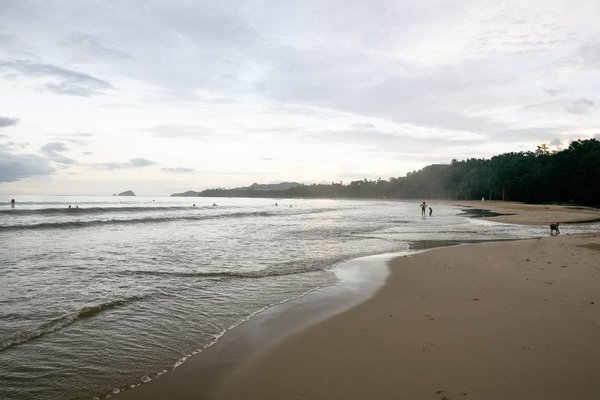
Choosing the best time to visit Costa Rica is really about matching the season to the trip you want. Costa Rica combines Pacific beaches, Caribbean rainforest, cloud forest, volcanoes, and wildlife-rich parks, but weather can change sharply by region. For US travelers planning a first visit, the dry months offer the easiest sunshine, while greener months can mean fewer crowds, lush scenery, stronger Pacific surf, and excellent wildlife viewing.
When Is the Best Time to Visit Costa Rica?
For most first-time visitors focused on beaches, hiking, and easy travel, mid-December through April is the simplest answer. Much of the Pacific side experiences its driest weather from December through March, with April transitioning toward the wetter season. That makes the Costa Rica dry season especially appealing for Guanacaste, the Nicoya Peninsula, the Central Pacific, and many inland destinations.
The tradeoff is higher demand. Popular beach towns and national parks can feel busier around Christmas, New Year, spring break, and Easter. Travelers who value greener landscapes and lighter crowds may prefer May, June, July, or November.
Costa Rica Weather by Season
Dry Season: December Through April
The dry season brings the most reliable Pacific sunshine for beaches, hiking, volcano viewpoints, and outdoor excursions. March is typically among the driest and hottest months in the Pacific region. Higher-elevation areas can still feel cooler than the coast, so a light layer is useful.
For a first trip combining Guanacaste, Arenal, Monteverde, and a Pacific park, January through March offers straightforward planning. Reserve popular tours, park entries, and high-demand hotels early, but keep some flexibility for local microclimates.
Green Season: May Through November
From May onward, rain becomes more frequent across much of the Pacific side, but that does not necessarily mean all-day rain. Many days begin bright, followed by showers later in the afternoon or evening. The landscape turns intensely green, waterfalls gain volume, and visitor numbers often ease.
September and October are generally the wettest Pacific months, while July and sometimes August can bring a relative break in rainfall known as a little summer. Travelers who schedule outdoor activities early can find the green season highly rewarding.
The Caribbean Coast Has a Different Pattern
A common mistake is assuming Costa Rica weather follows one national calendar. The Caribbean coast does not have the Pacific’s sharply defined dry season. Instead, coastal areas tend to see relatively drier periods around February and March and again around September and October.
This creates a useful seasonal flip. September may be very rainy on parts of the Pacific coast, yet comparatively appealing around Puerto Viejo or Cahuita. Check the climate pattern for each stop rather than relying on a national average.
Best Time for Costa Rica Wildlife
Costa Rica wildlife viewing is possible year-round, but migrations and nesting seasons make certain months especially rewarding. On the Pacific coast, humpback whales are commonly present from roughly December through March and again from July through September, with the second period especially popular in the South Pacific near Marino Ballena National Park.
Sea turtles follow different calendars. Leatherbacks nest on parts of the Caribbean coast from around March into June, while green sea turtles begin arriving around Tortuguero in July. On the Pacific coast, olive ridley turtles nest year-round, with famous mass nesting events at Ostional most associated with July through November.
If wildlife is your main goal, choose the animal and region first, then choose the month. Useful related planning topics include a Costa Rica wildlife viewing guide, a first-time Costa Rica itinerary, and Central America travel planning.
Best Time for Surfing and Beach Trips
Beach travelers seeking sunshine usually prefer the Pacific coast in the dry season. Surfers may think differently. Pacific breaks can work throughout the year, and greener months often bring more energetic swell. Caribbean surf is more seasonal, with larger conditions commonly associated with the early part of the year.
A Guanacaste resort trip may suit January to March, while surfers may accept afternoon rain for more active Pacific conditions in the green season. Decide whether your beach time is mainly for swimming and relaxing or for surfing before choosing dates.
Best Months for Fewer Crowds and Better Value
May, June, and November are useful shoulder periods. May and June bring fresh green scenery before the heaviest Pacific rains, while November transitions toward drier conditions in many regions. These months can feel more relaxed than peak dry-season dates.
July is another compromise. A practical July itinerary might schedule wildlife walks and volcano activities in the morning, keep afternoons flexible for rain, and use hot springs or a cafe stop as a backup. That simple scheduling choice can make a green-season trip much easier.
How to Choose the Right Month
Choose January through March if dependable Pacific sunshine matters most. Consider May, June, July, or November for greener scenery and lighter crowds. Look closely at September and October for the Caribbean coast rather than automatically avoiding those months. For whales or turtles, plan around the specific migration or nesting season.
Pack for microclimates with lightweight clothing, sun protection, insect repellent, a compact rain layer, comfortable walking shoes, and a light sweater for cloud-forest or higher-elevation areas.
Frequently Asked Questions
What is the cheapest time to visit Costa Rica?
The green season generally brings lower demand than peak dry-season months, so travelers may find better hotel availability and pricing from May through November. Holiday periods can still raise demand.
What month has the best weather in Costa Rica?
January, February, and March are among the most dependable months for dry, sunny weather on much of the Pacific side. The Caribbean follows a different pattern, with relatively drier periods around February to March and September to October.
Is the rainy season a bad time to visit Costa Rica?
No. The rainy season can be excellent for lush scenery, wildlife, surfing, and smaller crowds. Schedule outdoor plans earlier in the day and choose regions carefully during the wetter Pacific months.
How many days should a first trip to Costa Rica be?
About eight to ten days gives many first-time visitors enough time to combine two or three regions without rushing, such as Arenal, a Pacific beach area, and one wildlife-focused stop.
Choosing Your Costa Rica Travel Window
The best time to visit Costa Rica depends on the experience you want more than the calendar alone. Dry-season travel is easiest for sunshine and classic Pacific itineraries, while the green season rewards flexible travelers with vivid landscapes, wildlife opportunities, and a quieter feel. Factor in the Caribbean’s different rainfall pattern, whale and turtle seasons, and your tolerance for afternoon showers. Costa Rica can work as a rewarding year-round destination.