
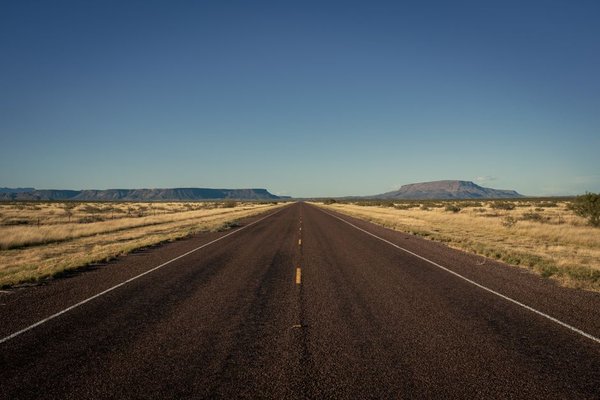
A Texas road trip can look straightforward on a map. Dallas, Austin, San Antonio, Houston, and Big Bend all sit within one state, but connecting them may involve entire days of driving. The smartest approach is to plan by region rather than treating every famous landmark as a quick detour. Choose a few overnight bases, leave room for small towns, and the open road becomes a pleasure instead of a scheduling problem.
Plan Texas Distances Before Your Stops
Start with road miles, not straight lines on a map. Dallas to Austin is roughly 195 miles, while Austin to San Antonio is about 80 miles. Houston to Galveston is around 50 miles, and San Antonio to Fredericksburg is approximately 70 miles. These figures are estimates: traffic, roadwork, and your exact starting point can change travel times.
On a relaxed Texas driving route, keep most sightseeing days to two or three hours behind the wheel. Longer transfers deserve their own day. Arriving before dark also makes navigating unfamiliar rural roads easier.
Choose a Region That Fits Your Time
Austin, San Antonio, and the Hill Country
For a first trip, this is a rewarding combination. Austin has live music and lakeside walks. San Antonio offers historic missions, the River Walk, and Tex-Mex food. Fredericksburg contributes a walkable center, German-Texan heritage, and nearby scenic roads. Johnson City, Blanco, and Llano make good lunch stops without another hotel check-in.
Dallas, Fort Worth, and the Panhandle
Dallas is packed with museums and urban neighborhoods, while Fort Worth offers the Stockyards and its own cultural scene. Farther northwest, Amarillo is a useful base for Palo Duro Canyon State Park, roughly 25 miles southeast of town. Give the Panhandle dedicated travel days; it is not a casual afternoon excursion from Dallas.
Houston, Galveston, and East Texas
Combine Houston’s food and museums with Galveston’s beach and historic streets for a city-and-coast getaway. A different route leads into East Texas, with pine forests and Caddo Lake State Park near Louisiana. Both have appeal, but trying to cover them together in a short weekend creates avoidable driving.
Big Bend and West Texas
Big Bend National Park has desert mountains, canyons, and remarkable night skies. Alpine, Marathon, and Terlingua are useful gateway communities, but reaching the park is only the beginning: trailheads and overlooks are spread across a large area. Allow multiple nights rather than squeezing it into a city-based day trip.
The National Park Service warns that navigation apps may suggest unsuitable remote roads. Download official maps, carry ample drinking water, check road conditions, and avoid primitive routes unless your vehicle meets posted requirements. Fuel and other services are limited compared with major cities.
Memorable Texas Scenic Drives
Near Fredericksburg, Ranch Road 965 leads toward Enchanted Rock, while the Willow City Loop offers Hill Country landscapes and seasonal wildflowers. Spring blooms vary with the weather, so enjoy the drive even if flowers are sparse.
Roads around Leakey and the Frio River curve through rugged hills. Big Bend’s paved Ross Maxwell Scenic Drive reveals desert vistas, while the approach to Palo Duro Canyon shows off the Panhandle’s dramatic terrain. Treat scenic roads as destinations, not shortcuts.
A Five-Day Texas Road Trip Itinerary
This manageable loop starts and ends in Austin. It connects cities, small towns, and a state natural area without adding the distant Gulf Coast or Big Bend.
Day 1: Settle Into Austin
Walk along Lady Bird Lake, explore a neighborhood, and have dinner in the city. Sleep in Austin so the first evening stays relaxed.
Day 2: Head to Fredericksburg
Drive through the Hill Country and stop in Johnson City for lunch or a stroll. Spend the afternoon and night in Fredericksburg.
Day 3: Explore Enchanted Rock
Reserve a day pass ahead of time, especially for weekends. Hike early when temperatures are milder, then visit Llano or enjoy another relaxed Fredericksburg evening.
Day 4: Continue to San Antonio
Take your time on the journey south. In San Antonio, explore the missions or River Walk and stay overnight rather than driving back after dinner.
Day 5: Return to Austin
Drive north after breakfast, allowing time for a final meal or museum. This loop gives you real sightseeing time instead of a daily hotel-and-highway routine.
Make Your Stops Work in Real Life
Popular parks can reach capacity. Texas Parks and Wildlife recommends advance planning for places such as Enchanted Rock and Garner State Park, especially during busy weekends. Check availability before arranging the rest of the day’s stops. A reservation is more useful than an ambitious arrival-time guess.
Spring and fall often bring more comfortable temperatures, although storms remain possible. Summer heat can make desert hiking hazardous, particularly at midday. Check forecasts and official park alerts before departure. Small-town restaurant hours vary, too, so keep snacks, water, and a flexible lunch plan in the car.
If you are traveling in an electric vehicle, research charging locations before a West Texas leg. The National Park Service reports no charging stations inside Big Bend National Park. For focused planning, companion guides to Texas Hill Country weekend trips, Big Bend National Park, and the best Texas state parks are useful next reads.
Frequently Asked Questions
How many days do you need for a Texas road trip?
Four or five days works for one region, such as Austin, Fredericksburg, and San Antonio. A week or longer allows more variety, but crossing Texas still requires substantial travel time.
What is the best route for first-time visitors?
Central Texas is an approachable starting point. Its cities, Hill Country towns, and state parks provide history, food, scenery, and outdoor stops without constant long highway drives.
Can you see Dallas and Big Bend in one week?
It is possible, but a large share of your week will be spent driving. If Big Bend is the priority, devote several nights to West Texas rather than rushing through the park.
When should you take a Texas scenic drive?
Spring brings wildflowers to parts of the Hill Country, and fall can offer pleasant weather. Conditions vary by year and region. Avoid strenuous summer hikes in desert midday heat.
Leave Space for the Unexpected
A great Texas road trip is not measured by the number of pins you collect. It is the time you have for a courthouse square, a roadside meal, or a quiet trail. Choose a region, allow realistic driving time, and let the miles between stops become part of the adventure.