
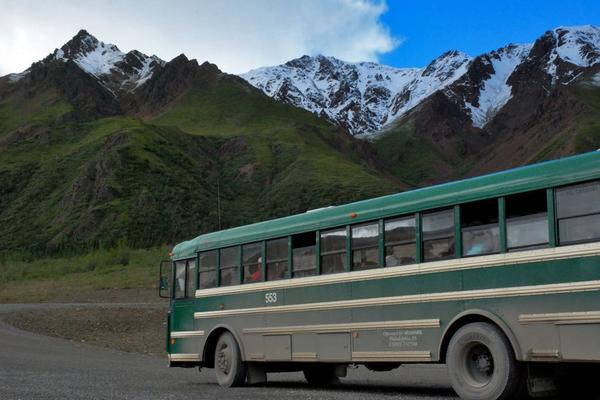
Alaska wilderness adventure trips demand a different mindset from ordinary hiking holidays. In much of the state, the challenge is not simply covering miles. It is dealing with terrain that may have no trail, transport that depends on weather, wildlife that must be respected, rivers that can change quickly, and long gaps between you and immediate help. The best trips feel wild because they are wild, so the planning needs to be equally serious.
Start With Access, Not the Hiking Route
On many Alaska wilderness trips, the most important decision happens before anyone starts walking: how you will get in and out. Some areas are reached by road or park bus, while others require a bush plane, boat, or several forms of transport. Weather can delay aviation, so a pickup time should never be treated like a guaranteed departure.
Build a realistic backup into the itinerary. If a floatplane cannot reach a lake because of wind or low cloud, can you stay another night? Do you have extra food and fuel? Does someone at home know your return date includes a buffer? The National Park Service advises Alaska backcountry visitors to leave a detailed itinerary and backup plans with a reliable contact because assistance may be delayed in remote country.
Check park-specific permits, food-storage rules, seasonal restrictions, alerts, and access conditions before booking. Denali, for example, requires permits for overnight backcountry trips and manages summer use through designated backcountry units. Other destinations use different systems, so one park’s process should never be treated as a statewide rule.
Plan for Terrain That Does Not Behave Like a Trail
Alaska trekking often means moving across tundra, gravel bars, brush, scree, wet ground, and braided river valleys rather than following a maintained path. A mile on a map can take far longer than a mile on a good trail. Dense vegetation, tussocks, and loose slopes can slow progress and add fatigue.
Build daily distance from terrain, not ambition. A group that comfortably hikes 12 miles on maintained trails may plan much shorter days off-trail. Study topographic maps and satellite imagery, identify major river crossings, and mark places where changing direction would still be practical. Related internal resources on Alaska trekking routes and wilderness navigation skills would fit naturally here.
Weather Is Part of the Route
Alaska weather can change rapidly, even in summer. Rain, strong wind, cold nights, and occasional frost or snow can affect walking speed, river levels, visibility, and aircraft schedules. Clothing and shelter should be selected for sustained bad weather, not just the pleasant forecast shown before departure.
Use a layering system that keeps insulation dry, carry dependable rain protection, and make sure your shelter has already been tested in wind. Official Alaska park guidance emphasizes flexibility because weather can make routes more strenuous and transport less predictable.
A Practical Scenario
Imagine a four-day route with a bush-plane pickup on day four. Heavy rain on day three raises a creek that was easy to cross the previous morning. The safer choice may be to wait, backtrack, or camp another night rather than force the crossing to protect the schedule. That is much easier if the group has extra food, dry layers, fuel, and a home contact who understands the pickup may slip.
Treat Wildlife Planning as Camp Planning
Wildlife is one of the great rewards of Alaska adventure travel, but good wildlife safety begins with routine habits. Make your presence known where visibility is poor, avoid surprising bears, keep the group together, and learn the current recommendations for the specific area you are visiting.
Food storage deserves special attention. Some places require approved bear-resistant food containers, while others have different rules. In parts of Denali’s backcountry, bear-resistant containers are required, and the park advises separating sleeping, cooking, and food-storage areas. Never assume hanging food from a tree is appropriate everywhere in Alaska; local regulations may require a container.
Carry Communication Without Assuming Rescue Is Instant
A mobile phone should not be your only emergency plan. Coverage may disappear quickly outside towns and road corridors. For remote Alaska travel, consider a satellite communicator or satellite phone, along with a paper map, compass, first-aid supplies, emergency shelter, and the skills to use them.
Satellite devices improve communication, but they do not guarantee fast rescue. Distance, weather, aircraft limitations, and terrain can delay assistance. A strong emergency plan still depends on self-sufficiency, conservative decisions, and a shared itinerary. A backcountry emergency communication guide would be another natural internal resource.
Decide When a Guide Adds Real Value
Not every trip requires a guide. Experienced travelers may be comfortable with navigation, campcraft, wildlife procedures, and route changes. A guide becomes especially valuable when the trip involves glacier travel, unfamiliar bush-plane logistics, difficult river crossings, or terrain beyond the group’s proven experience.
Ask prospective guides about local experience, emergency procedures, first-aid qualifications, group size, equipment expectations, and what happens if weather changes the itinerary. A good operator should make the risks clearer, not make the wilderness sound effortless.
Choose Timing for the Experience You Want
Summer offers long daylight and broad access, but conditions vary sharply by region and elevation. Mosquitoes can be intense, rivers may run high after rain or warm weather, and popular access points can be busy. Shoulder seasons may be quieter but bring colder temperatures, shorter days, snow risk, and reduced transport or visitor services.
Instead of asking for one “best month,” match timing to the activity and location. A Denali backpacking route, a coastal kayak trip, and a trek in the Brooks Range can have very different ideal windows. Check destination-specific ranger information close to departure rather than relying on a statewide seasonal rule.
FAQ
How difficult are Alaska wilderness adventure trips?
Difficulty varies widely, but remoteness can make moderate terrain more serious. Off-trail navigation, river crossings, wildlife awareness, changing weather, and delayed transport all add complexity beyond simple mileage.
Do I need a permit for an Alaska wilderness trip?
Sometimes. Permit and reservation rules vary by park, preserve, refuge, and activity. Check the exact land-management agency for your route before arranging transport.
Should I carry a satellite communicator in Alaska?
For remote routes, it is a sensible safety tool where mobile coverage is unreliable. It should complement rather than replace navigation skills, emergency supplies, a shared itinerary, and conservative decision-making.
Is a guided trip better for first-time Alaska visitors?
It can be. Travelers new to off-trail navigation, bear-country camping, bush-plane logistics, or river crossings may gain significant safety and planning value from an experienced local guide.
Build Flexibility Into the Adventure
The most rewarding Alaska wilderness adventure trips are rarely the ones with the tightest schedule. They are the ones planned with enough food, time, information, and judgment to adapt when the landscape changes the plan. Treat transport, weather, wildlife, communication, and backup options as part of the route itself. That preparation leaves more room to enjoy what makes Alaska exceptional: immense space, quiet, wildlife, and the rare feeling of traveling through country that still sets its own terms.