
New Orleans doesn’t do anything halfway. One month the streets are drowning in beads and brass bands for Mardi Gras, and a few weeks later the same French Quarter corners feel almost sleepy, with just the smell of chicory coffee and a lone saxophone drifting from a doorway. That contrast is exactly why so many travelers get the timing wrong. This New Orleans travel guide is built to help you figure out when to go, what to actually see once you’re there, and how to enjoy the city’s famous energy without getting swallowed by its biggest crowds.
Understanding New Orleans Weather Before You Book
New Orleans weather plays a bigger role in trip planning here than in most cities, mostly because the seasons swing hard. Summers are hot, sticky, and prone to sudden afternoon downpours, with humidity that can make even a short walk feel like a workout. Winters, on the other hand, are mild and generally comfortable, rarely dipping below the 40s, which makes them appealing for visitors who’d rather skip the sweat.
Spring and fall sit in the sweet spot. Temperatures hover in the 70s, humidity eases up, and the city’s outdoor culture — patio dining, riverfront walks, live music spilling onto the sidewalks — is at its best. Hurricane season technically runs from June through November, so if you’re traveling during those months, it’s worth keeping an eye on the forecast and building a little flexibility into your plans.
Best Time to Visit New Orleans
If comfortable weather and manageable crowds are your priority, aim for late February through May or October through early December. You’ll get pleasant temperatures, a full events calendar, and hotel rates that haven’t spiked yet. Visiting New Orleans during these shoulder seasons tends to offer the best balance of atmosphere and affordability.
New Orleans Festivals: Timing Your Trip Around the Celebrations
New Orleans festivals are a huge part of the city’s identity, and they can make or break a trip depending on what you’re after. Mardi Gras, typically falling in February or early March, is the big one — parades, parties, and crowds stretching for weeks leading up to Fat Tuesday. It’s unforgettable, but hotel prices climb sharply and the French Quarter gets packed shoulder to shoulder.
French Quarter Fest in April and Jazz Fest in late April/early May bring huge musical lineups without quite the same level of chaos as Mardi Gras, though both still draw serious crowds. If you’d rather skip the intensity altogether, aim for a window outside these dates — you’ll still catch live music on nearly every corner, just without the elbow-to-elbow crowds.
Visiting During Off-Peak Months
Late summer, particularly August, is when the city is quietest. It’s also brutally hot and humid, so it’s a tradeoff: fewer tourists and lower prices in exchange for sweltering afternoons. If you don’t mind the heat and want a more relaxed, local-paced version of New Orleans, this stretch is worth considering.
Top French Quarter Attractions
No New Orleans travel guide would be complete without a proper look at the French Quarter, the historic heart of the city and the place most visitors head to first.
Jackson Square and St. Louis Cathedral
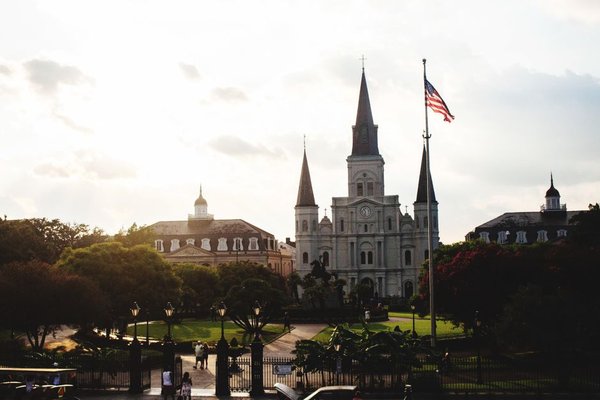
This leafy square is the visual centerpiece of the Quarter, framed by the striking triple spires of St. Louis Cathedral. Street artists, tarot readers, and musicians line the surrounding fence, and it’s a great spot to simply sit and take in the pace of the city.
Bourbon Street
Love it or find it a bit much, Bourbon Street is iconic for a reason. By day it’s fairly low-key, with shops and casual eateries; by night it transforms into the loud, neon-lit strip most people picture when they think of New Orleans nightlife.
The French Market
One of the oldest public markets in the country, this is where you’ll find local crafts, produce, and some of the best people-watching in the city. It’s a good stop for souvenirs that actually feel local rather than mass-produced.
Frenchmen Street
Just outside the Quarter’s official boundary, Frenchmen Street is where many locals go for live music. The clubs here lean more toward jazz, blues, and funk, with a noticeably less touristy feel than Bourbon Street.
Beyond the French Quarter: Other Neighborhoods Worth a Visit
While the Quarter gets most of the attention, New Orleans has plenty to offer just outside it. The Garden District is known for its oak-lined streets and beautifully preserved 19th-century mansions, best explored on a slow walking tour. Uptown, home to Tulane and Loyola universities, has a laid-back, residential charm with excellent local restaurants tucked into converted houses. And the Bywater and Marigny neighborhoods offer a more artsy, indie atmosphere, with colorful shotgun houses and a growing food scene.
Food, Music, and the Everyday Culture of the City
Part of what makes visiting New Orleans so memorable isn’t the individual sights so much as the atmosphere that ties them together. Live music isn’t confined to venues — it spills out of doorways and drifts across intersections at almost any hour. Food is treated with the same seriousness as music: gumbo, po’boys, beignets, and red beans and rice aren’t just menu items, they’re part of daily life. Taking a streetcar ride down St. Charles Avenue, especially in the late afternoon, is a simple but memorable way to see the city’s architecture without rushing.
Practical Tips for a Smoother Trip
Comfortable shoes matter more here than in most cities, since the historic districts are best explored on foot and the sidewalks can be uneven. If you’re visiting during peak festival dates, book accommodations well in advance, as options fill up fast and prices rise accordingly. And regardless of season, it’s worth packing a light rain layer — New Orleans weather has a habit of surprising even well-prepared travelers with a sudden afternoon shower.
Frequently Asked Questions
What is the best time to visit New Orleans?
Late February through May and October through early December generally offer the most comfortable weather, along with a strong lineup of festivals and events without the extreme crowds of Mardi Gras.
Is New Orleans worth visiting outside of Mardi Gras season?
Absolutely. Mardi Gras gets the spotlight, but the city’s food, music, and architecture are enjoyable year-round, often with a more relaxed pace and lower prices outside of festival season.
How many days do you need for a New Orleans trip?
Three to four days is usually enough to cover the French Quarter’s main attractions, take in a few neighborhoods beyond it, and still leave room for a leisurely pace rather than rushing between sights.
What should I know about New Orleans weather before packing?
Expect hot, humid summers with frequent afternoon storms, and mild, comfortable winters. Spring and fall offer the most pleasant conditions, though a light rain layer is a smart addition to any packing list regardless of season.
However you time it, New Orleans has a way of delivering its own version of magic — whether that’s the roar of a Mardi Gras parade or the quiet hum of a Tuesday night on Frenchmen Street. Pick the season that matches the experience you’re after, and the city will take care of the rest.